AI Document Automation for Inventory, Shipping & LC/Collections
Automatically turn inbound email documents into usable output: inventory imports, container planning, shipping labels, and LC/Collections packs — fast, consistent, and controlled.
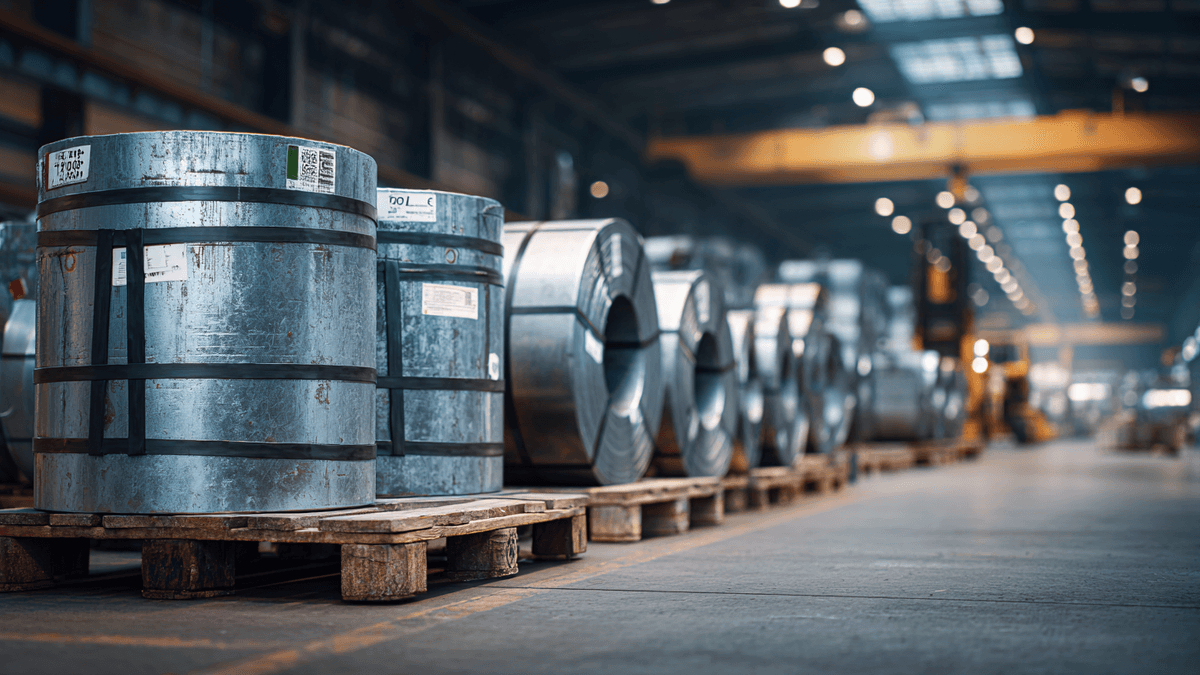
In this B2B environment, a full logistics and financial workflow was handled manually.
From handwritten inventory sheets to packing lists, container allocation, shipping labels, and finally LC and collections documentation.
The team worked accurately and followed clear procedures.
But nearly every step required manual interpretation, data entry, and document assembly.
This included:
- Transferring handwritten inventory notes into structured Excel sheets
- Grouping packing lists into containers based on weight limits and numbering
- Generating shipping labels based on pallet and container data
- Preparing LC and collections files based on customer requirements and legal documentation
The operation functioned well.
However, it was labor-intensive, required constant concentration, and became vulnerable under peak volume.
Instead of optimizing isolated steps, the entire workflow was redesigned as one integrated document processing stream.
Handwritten forms are automatically converted into structured inventory records.
Packing lists are automatically grouped into containers within predefined weight ranges.
Shipping labels are generated based on validated pallet and container data.
The resulting container documentation feeds directly into a prepared LC or collections workspace.
At every stage, deviations are explicitly flagged.
Uncertainties are made visible for review.
People remain in control.
But instead of spending time on repetitive input and document assembly, their role shifts to validation and exception handling.
AI performs the heavy, repetitive work.
The organization retains oversight and decision authority.
What we solved
| Problem | Before | After |
|---|---|---|
| Manual document handling removed | Scans, spreadsheets, and customer documents had to be manually converted into usable output. | Documents are automatically processed into inventory lines, container plans, labels, and document packs. |
| Fewer inventory and shipping errors | Retyping and manual sorting caused typos, inconsistencies, and miscommunication. | Validation and consistent processing reduce mistakes and deviations. |
| Time-intensive container planning | Weight-based container allocation was manually structured and adjusted to meet target limits. | The system automatically groups packing lists within weight thresholds and generates a ready-to-use container plan. |
| Faster, more complete LC/Collections packs | Required documents and declarations were manually extracted from lengthy customer paperwork. | Requirements are automatically detected and the pack is built consistently. |
Highlights
- Handwritten forms automatically structured and prepared for review
- Packing lists automatically allocated to containers based on weight
- Hundreds of shipping labels generated in minutes from container plans
- LC and collections packs reduced from hours of work to minutes, ready for validation
- Error-prone steps systematically prepared and easy to review
Results
Impact depends on document mix (scans vs spreadsheets vs LC/Collections), email volume, and internal workflow. Percentages reflect replacing manual conversion, planning, and document creation with an automated flow plus human review for exceptions.
Process flow
Technology
What clients say
“What previously required hours of manual administration is now handled automatically: packing lists are allocated to containers, shipping labels are generated, handwritten forms are digitized, and shipping documentation is prepared so the back office only needs to review instead of draft.”

“LCs and collections used to take hours of drafting. Now I receive a prepared file and only need to review it. It makes my work faster and far less stressful.”