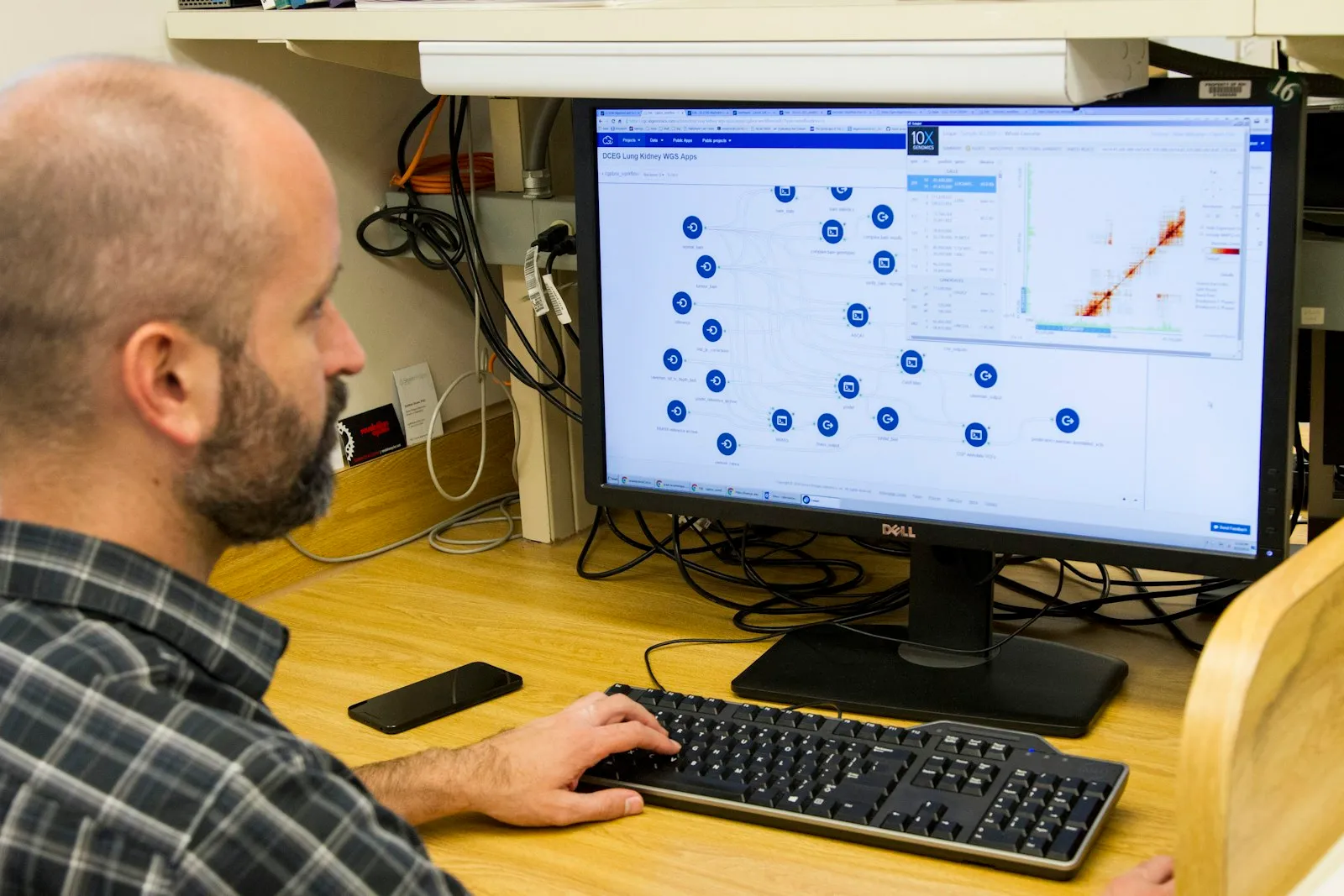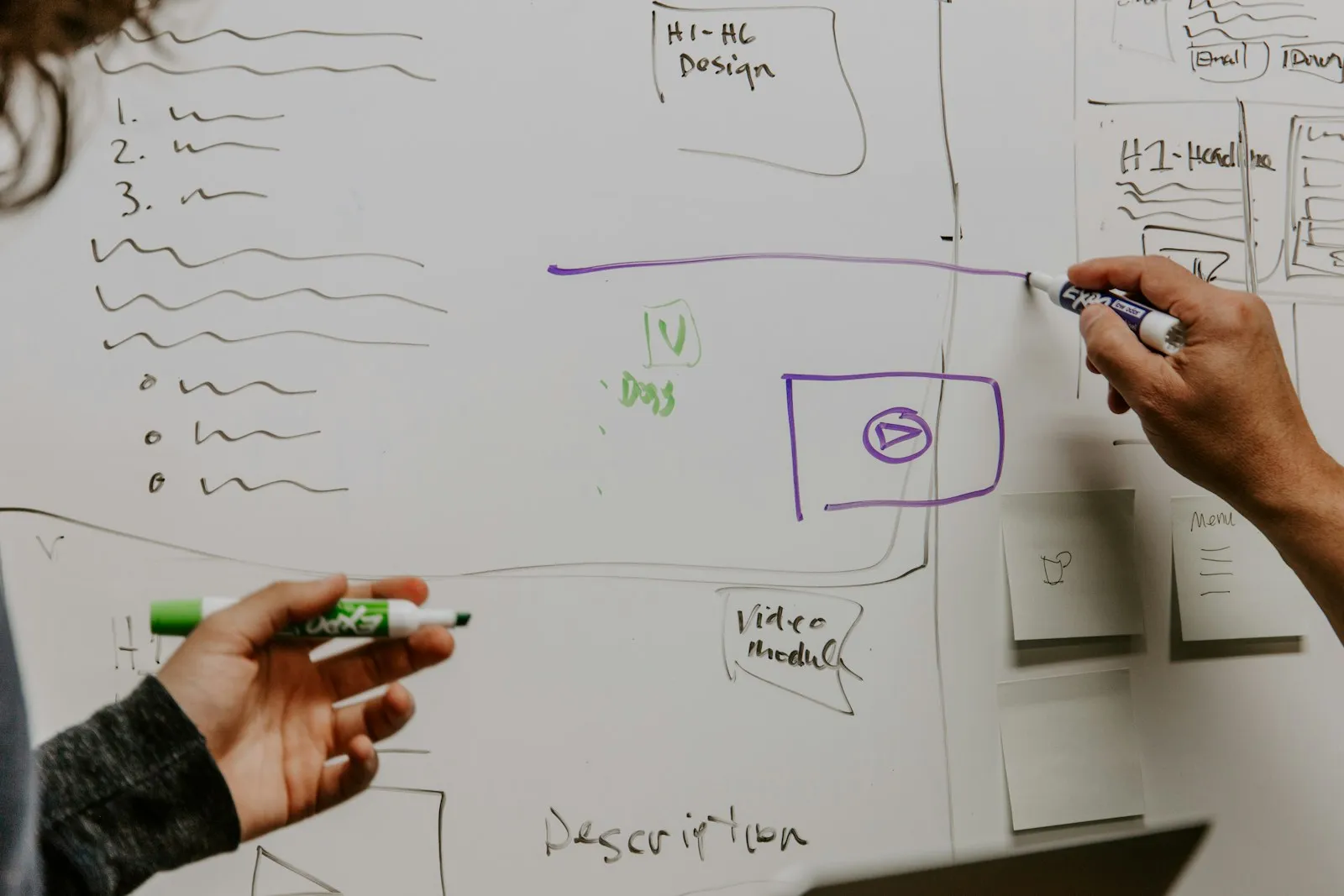
Most automation fails because the process was assumed, not examined. Before a single line of code is written, we map how work actually moves through your systems, where decisions happen, where handoffs die, and what is actually worth automating. The output is a concrete operating architecture your engineering team can execute against.
Why it works
Broken processes automate into faster broken processes. We do not start with tooling. We start with the operational reality. Every workflow assumption is tested against what actually happens. That is the only way the build sequence holds.
How it works
We run a fixed-scope engagement using our internal deployment protocol, a repeatable framework for surfacing system boundaries, identifying integration surfaces, and locking scope before any build begins. Four structured phases, defined deliverables.
Workflow audit. Existing flows mapped, decision nodes identified, assumptions stress-tested against actual usage.
Boundary mapping. System ownership defined. Integration surfaces documented. Handoff points scored by friction and delay.
Automation scoring. Each candidate workflow scored on impact, complexity, and dependency chain. Priority order locked.
Build sequence. Sequenced roadmap produced, scoped for engineering handoff. No ambiguity in what ships first.
What it maps to
Blueprints are structured for RPA agent assembly and AI component integration. All mapping is done against your actual systems. The output reflects what can realistically be deployed and maintained by your team, and feeds directly into the Plan and Build phases.
What you walk away with
- Current-state workflow map with decision points and system ownership annotated
- Bottleneck and handoff inventory, scored by impact and implementation complexity
- System boundary and integration surface documentation
- Prioritized automation roadmap with sequenced build plan, ready to hand to engineering
Built on the Deployment Protocol
Every Process Blueprint engagement runs on our standard deployment protocol, the internal framework we use to ensure consistent discovery, boundary definition, and output quality across all clients. It defines how we run the engagement, what we measure, and what constitutes a complete deliverable.